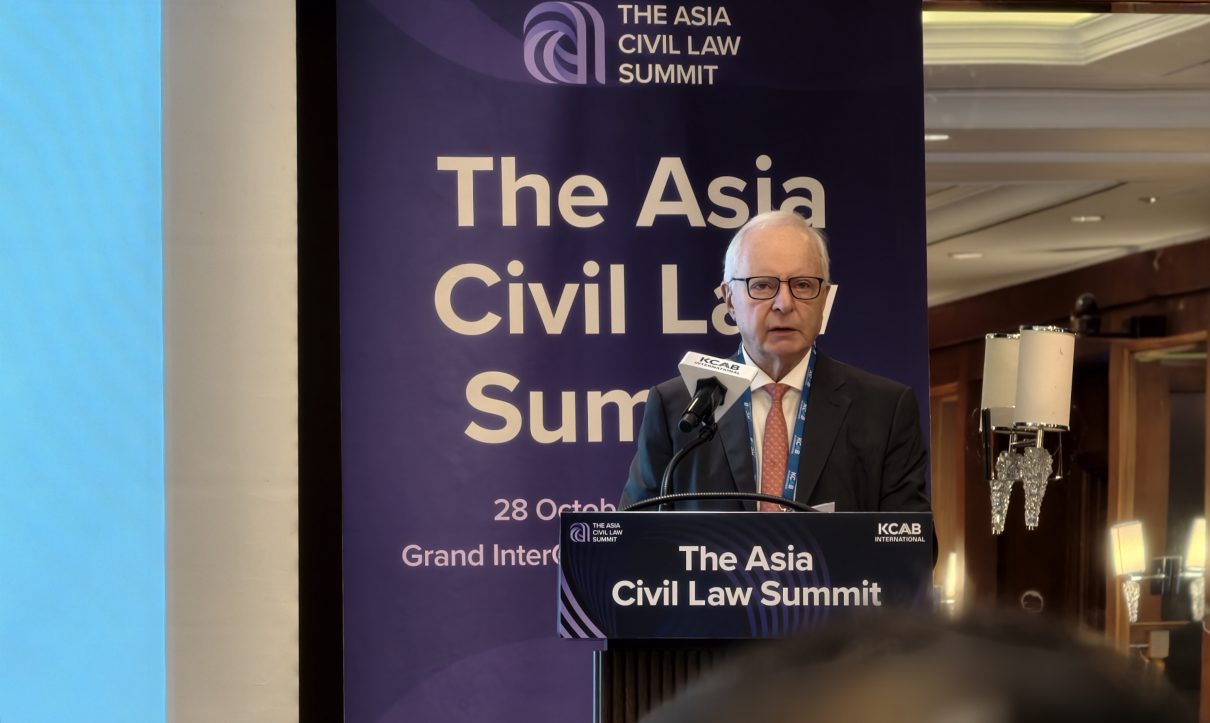
The Asia Civil Law Summit, held on October 28, 2025, in Seoul as an official event of the Seoul Arbitration Festival 2025, addressed a fundamental shift occurring in the global legal landscape. While civil law jurisdictions represent 4.8 billion people compared to 2.7 billion in common law systems, the common law has historically dominated the global stage due to the convenience of the English language.
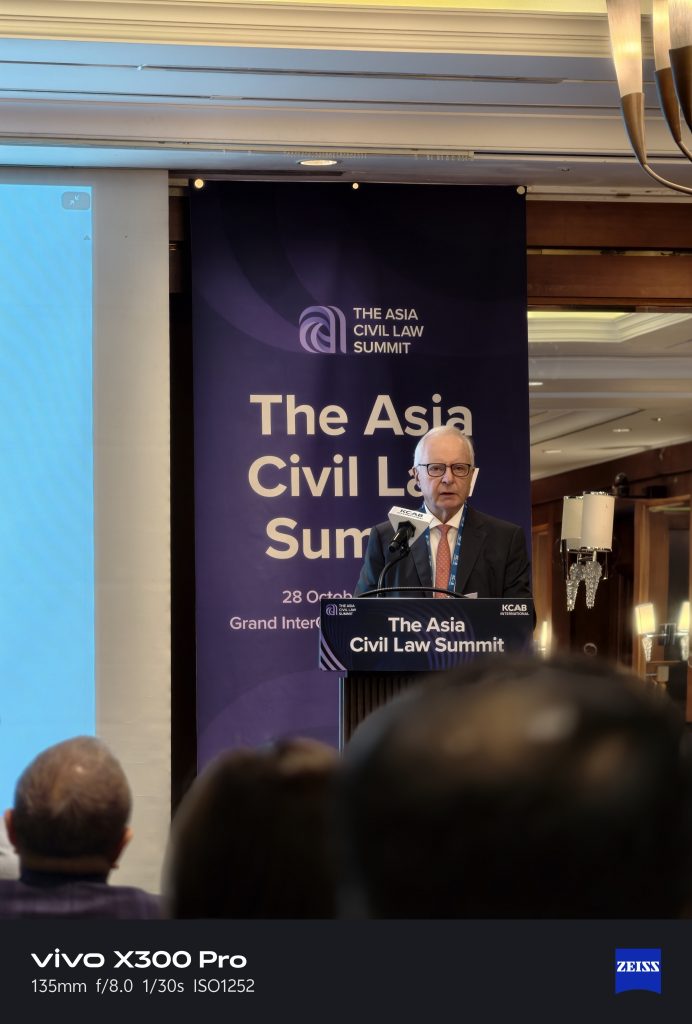
However, this dominance is now being swiftly eroded by Artificial Intelligence (AI). AI tools are poised to dismantle the language barrier, granting lawyers unprecedented access to foreign jurisprudence. For example, a Korean lawyer can now easily study how Brazilian courts interpret civil law concepts like “specific performances,” even if the source material is in Portuguese. This development holds immense potential for civil law systems to develop globally. Conversely, speakers stressed that civil law lawyers must proactively publish their data to influence the development of legal AI, ensuring that these models are not solely trained on common law mindsets and data.
The discussion pivoted to Seoul’s unique positioning as an emerging arbitration seat. Panellists challenged the traditional metric for measuring a good seat—the number of cases reported by major institutions like the ICC. Instead, they focused on metrics like user confidence (demonstrated by a healthy number of international cases at the KCAB), and the sophistication and integrity of Korean parties, who are renowned for respecting arbitration agreements and awards.
A crucial insight is Seoul’s strong civil-common law duality. Although Korea is a civil law jurisdiction, its 1999 adoption of the UNCITRAL Model Law requires Korean courts to look across the civil and common law divide for harmonious application. This hybridity is a massive selling point, amplified by the high number of dual-qualified lawyers in major Korean firms (estimated at 40%). This unique blend allows Korean practitioners to expertly navigate diverse systems, particularly among neighboring civil law countries.
Seoul also offers significant practical strengths: independent and efficient courts that are supportive of arbitration, low corruption rankings, and excellent infrastructure. Geopolitically, Seoul is ideally situated as a bridge connecting Northeast and South Asia.
To capitalize on this momentum, recommendations included:
- Focusing less on importing cases and more on exporting expertise to promote “Brand Korea”.
- Increasing transparency by widely publishing statistics on arbitration-related court cases (enforcement and interim measures) to showcase judicial efficiency.
- Addressing language barriers by uniformly translating key Korean court decisions into English and considering allowing arbitration-related court proceedings to be conducted in English.
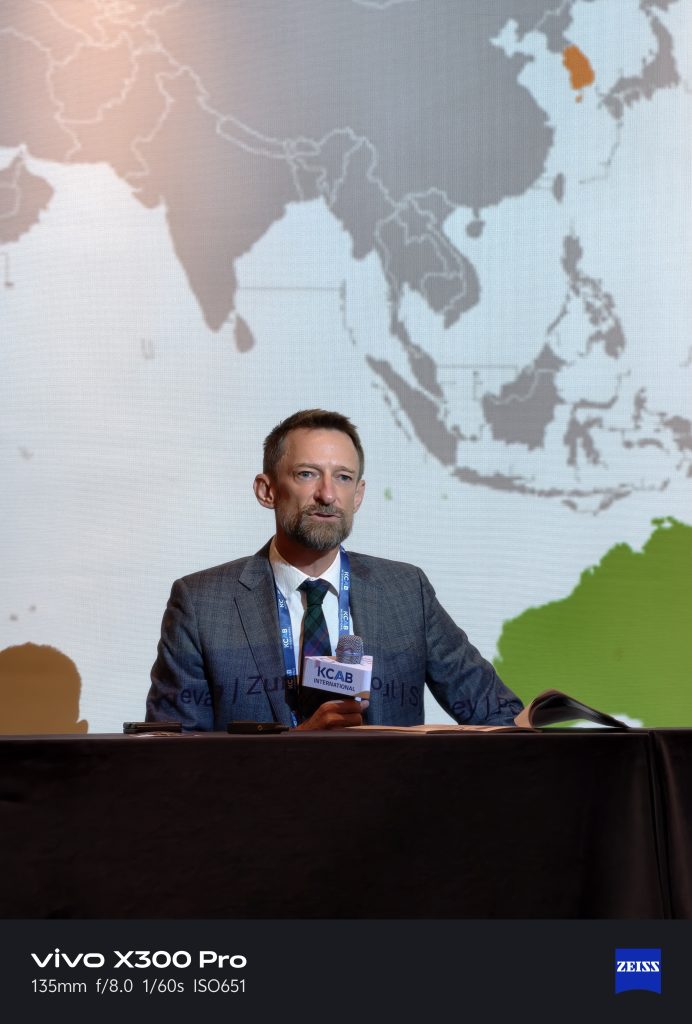
Seoul is not trying to be Singapore or Hong Kong. By embracing its unique civil-common law duality and leveraging its sophisticated legal community, Seoul is primed to become a leading and viable alternative seat for international dispute resolution.
Beyond the positioning of Seoul, the Summit offered a wealth of knowledge on other vital topics, including: (i) From Rome to the World: The Legacy and Future of Civil Law; (ii) Civil Law vs Common Law: Procedural Efficiency and Strategic Advantages; (iii) The Role of Civil Law Traditions in Shaping International Arbitration; (iv) Seoul as a Civil Law Seat; và (v) Key Developments and Adaptation in a Changing Landscape for Civil Law-based Institutions.
Asia Legal will be summarizing these insights in the upcoming installments of our Recap Series. Stay tuned!
———-
Asia Legal – Business Law Firm
W: asialegal.vn
E: info@asialegal.vn
T: (+84) 24 2269 3399
Hotline/Whatsapp/Wechat/Viber/Zalo: (+84) 84 400 8484
A: 15th Floor, HT Building, No 80, Duy Tan Road, Hanoi, Vietnam